



Overview
Featured Articles
 Hot
HotSep 17, 2026
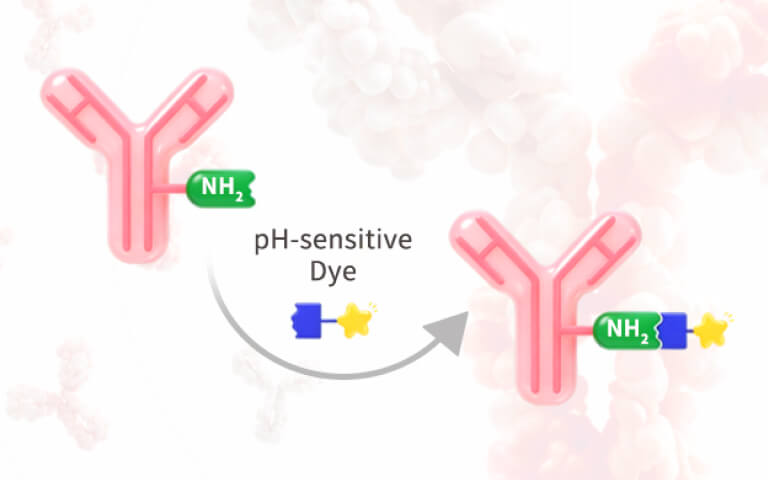
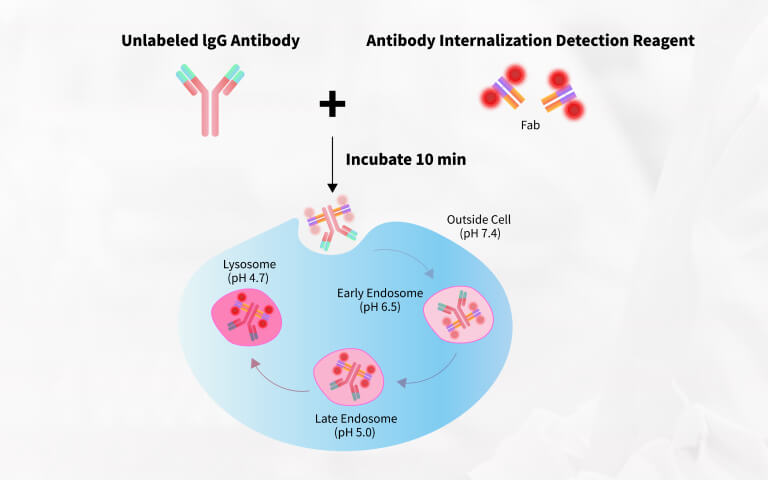
Hot New Product Launch | pHintra™ Antibody Labeling Kit: Fast, Flexible Labeling for Internalization Assays
ACROBiosystems has launched the pHintra™ Antibody Labeling Kit. The kit uses an amine-based covalent labeling strategy to efficiently couple a pH-sensitive fluorescent dye to IgG antibodies from multiple species and subclasses.
Read more
 Hot
HotSep 7, 2026
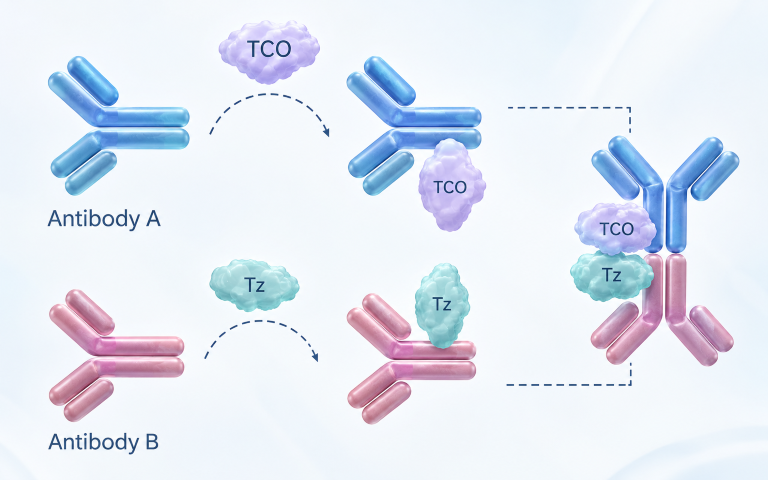
Hot Can Click Chemistry Reverse ADC Resistance? Inside a New Nature Study on In Vivo Antibody–ADC Assembly
A study recently published in Nature proposes an unexpected solution: instead of building a single multispecific ADC upfront, the researchers delivered two separate components — an antibody and an ADC — that find each other inside the body through bioorthogonal click chemistry.
Read more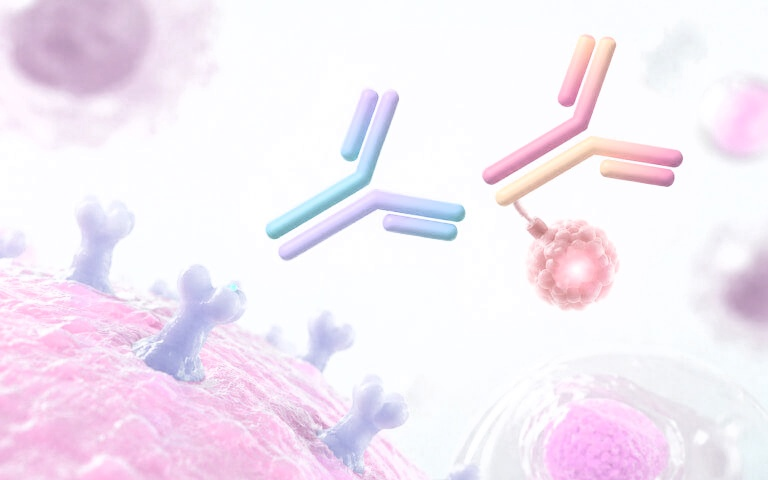 Hot
HotSep 3, 2026
Hot Beyond HER2 and TROP2: Where the Next ADC Breakthroughs Will Come From
Data presented at major conferences such as ASCO and AACR in 2026, together with recent clinical advances in ADC candidates and emerging technology platforms, point to a clear shift in the field. ADC development is moving beyond established targets toward new targets, novel target combinations, and advances in ADC technologies.
Read moreExplore by Subtopics

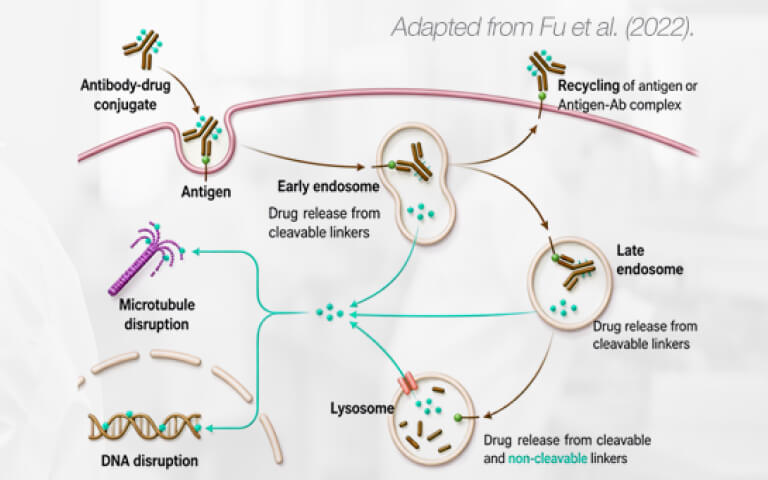
Resources


 Request PDF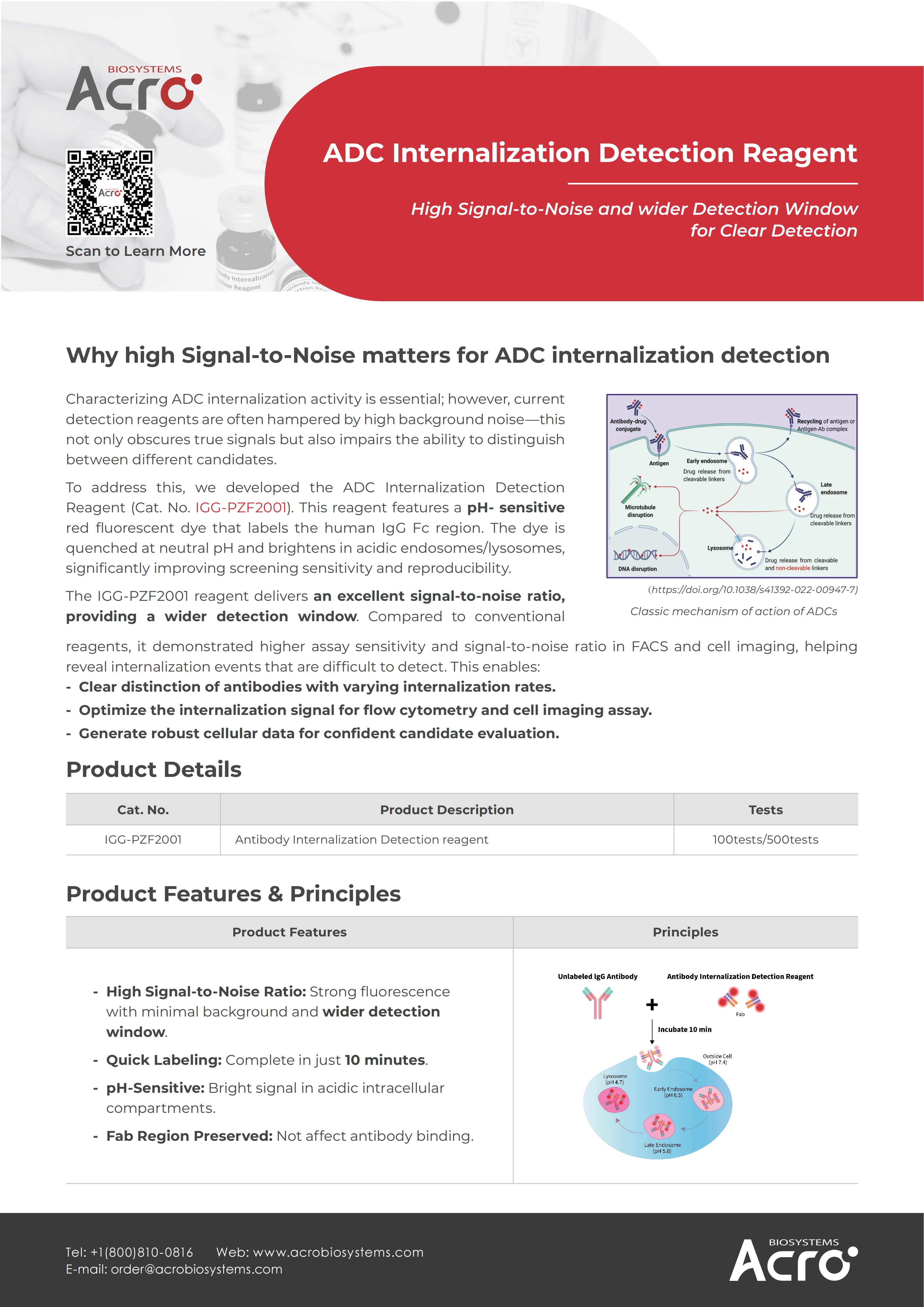
Webinars



Get ACRO Insights in Your Inbox
Receive expert perspectives, research trends, and workflow guidance across emerging therapeutic fields.
Get ACRO Insights in Your Inbox
Frequently Asked Questions
What are the key quality attributes of antibody-drug conjugates?
How are targets selected for ADC development?
What makes ADC development challenging?
Explore More Topics

Cell and Gene Therapy

CMC Manufacturing & QC

Bispecific Antibodies

Disease Areas

Vaccines

Research & Innovation

Biomarker-Driven Bioanalysis